
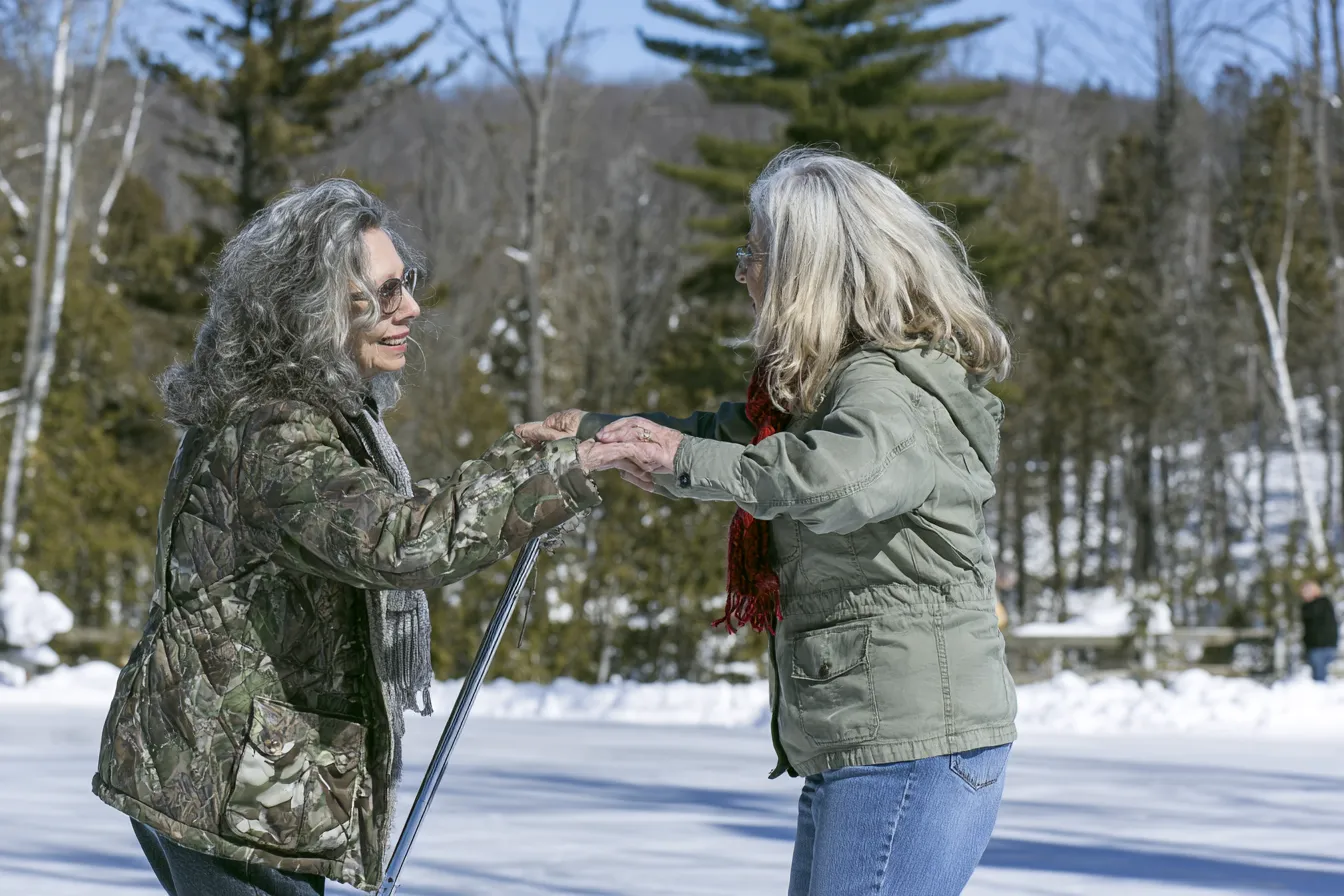
At seventy-eight, Margaret still refers to herself and her best friend Alice as "the girls."
They've known each other since second grade. They've survived marriages, children, grandchildren, and more Michigan winters than either cares to calculate.
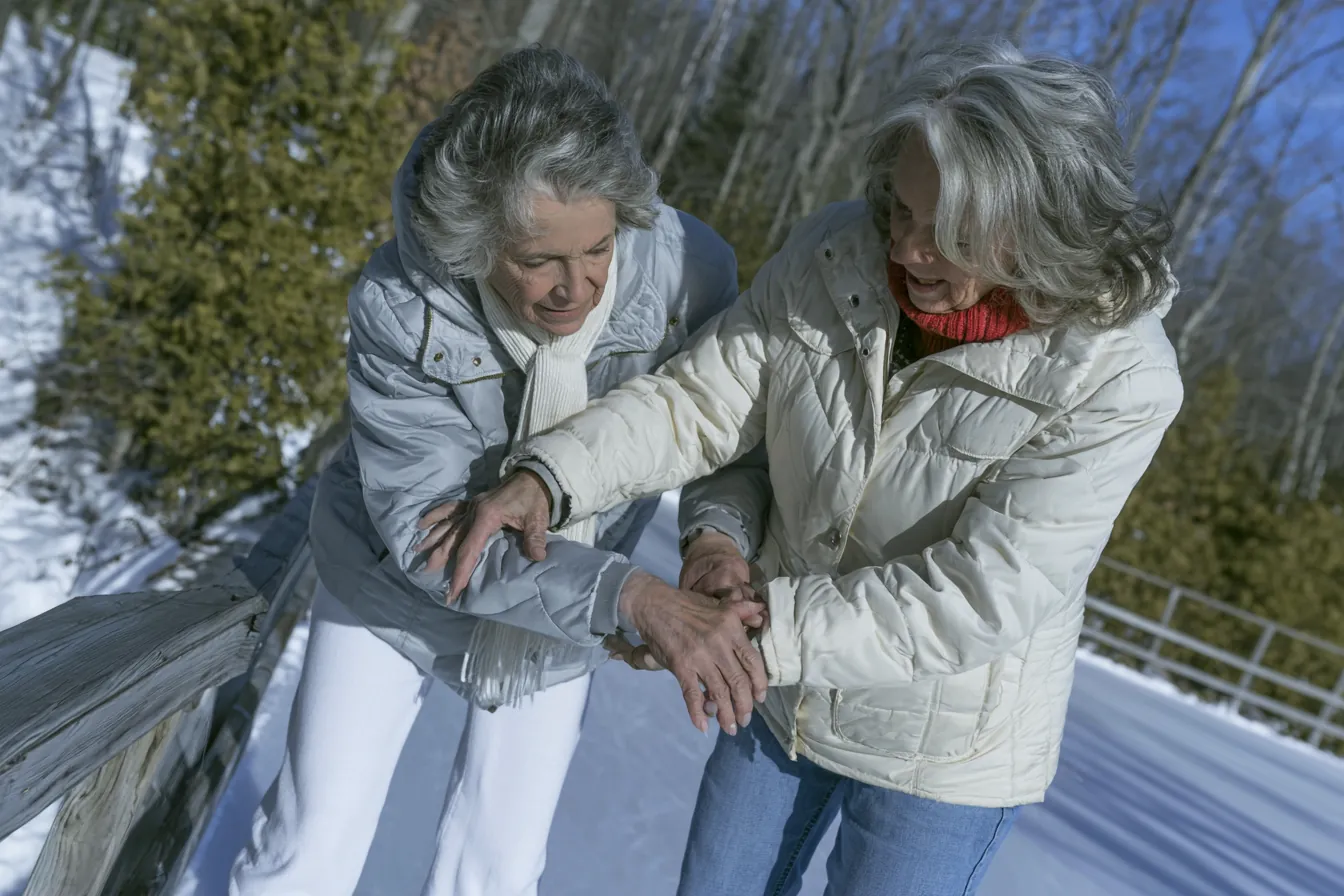
Margaret's children are convinced she should take up a safer hobby than skating, like bridge or watching travel shows. Alice's children have given up expressing opinions. The two women meet for coffee every Thursday and have kept the habit through moves, marriages, illnesses, and years when nothing in their lives felt settled. The idea of skating starts when Alice finds a photograph of them as teenagers, standing awkwardly in borrowed skates with their hair curled beneath matching hats. Margaret says she remembers falling on purpose because it was easier than learning to stop. Alice remembers trying to impress a boy who wore a letter jacket. Neither remembers his name. They look up managed rink times in Petoskey, confirm public access, and choose a calm afternoon. Alice drives. Margaret brings red gloves, slips a polished Petoskey stone into her pocket for luck, and announces that she is not afraid. Alice says that's good, because she is afraid enough for both.
The clerk at the rental counter is attentive without being overly solicitous. Margaret asks for a size that turns out to be wrong, and Alice refuses to let her pretend it fits. They find a bench and lace up slowly, recalling the days when nobody had to think about what their knees might do when they stood. Alice says she has been practicing balance at home by standing on one foot while brushing her teeth. Margaret says that sounds more dangerous than skating. The two laugh and take each other's arms as they make their way toward the ice. Their childhood rink was smaller and much less organized, a frozen patch where a father with a shovel and a neighborhood full of teenagers did most of the maintenance. Today the ice is smooth and managed, and the people around them are generous with space. It feels both familiar and newly strange.
The ice feels different from memory—harder, perhaps, or simply less interested in forgiving mistakes. They stay close to the boards and move slowly, each concentrating on finding the rhythm that once seemed natural. Teenagers glide past, politely leaving room. Alice tells Margaret she hasn't felt this ridiculous in years. Margaret says ridiculous is underrated. After a few careful laps they sit together and watch a father teaching his daughter to stand. He reaches out both hands; she takes one and moves a little farther. Alice recalls how Margaret stayed beside her during a difficult surgery, bringing magazines and terrible hospital coffee. Margaret remembers Alice showing up unannounced with soup after her husband died. They don't say those things aloud. The knowledge sits between them comfortably. At Julienne Tomatoes, they order sandwiches and split a pastry neither truly wants to divide. Alice asks whether they should tell the children where they've been. Margaret says yes, of course, but they should wait until tomorrow, when they are checked out of Stafford's Perry Hotel, so nobody can insist they go home early. They walk out arm in arm, looking for the car in a parking lot full of other people's errands.
Margaret makes Alice promise they'll do it again next winter.
"Why wait?" Alice asks.
Setting artwork is illustrative; it does not depict the story’s cast or document an event.