
Grandma Leena has three rules for a proper winter weekend in the Keweenaw: bring warm socks, never insult the weather, and always make time for the sauna.
Her adult children have driven north with their families for a reunion at a cabin outside Copper Harbor.
Leena keeps a small notebook of recipes written in two languages, though she can make most of them without looking. The family’s annual cabin visit began with her parents, who came to the Keweenaw with winter habits they considered common sense: dry your boots, feed people well, and don’t treat snow as an interruption to living. This year her children and grandchildren have come from several different cities. The kitchen is crowded with coats, grocery bags and someone continually opening the refrigerator without finding anything. Her grandson wants to know whether the sauna is a type of punishment. Leena says it depends on whether he remembers to bring a towel. The adults check the wood-fired sauna’s proper operating procedures and supervise the younger children around the hot surfaces. During the afternoon the kids build a snow shelter in a safe open area while the grown-ups prepare dinner and argue gently over who has improved Leena’s old bread recipe. Someone suggests supper at The Mariner North, where the snowmobilers gather. Leena points out that the dough is already rising, and that settles it.
The grandchildren want to know whether Leena followed her own rules when she was a girl. She says she followed the first two when adults were watching and the third whenever possible. They find a box of photographs showing family winters before anybody owned a digital camera. There are thick wool hats, battered skis, dinners around tables not much bigger than this one, and Leena as a little girl with a serious expression beneath an enormous scarf. Sofia studies the pictures and realizes how young her grandmother once was. Leena points out an aunt who used to sing while doing dishes and a cousin who always insisted on going outside during a snowstorm. The photographs do not make the past seem perfect. People look tired as often as happy, and a few have clearly been caught at inconvenient moments. But they are together in a way Sofia understands. She asks if she can take some pictures home to scan, and Leena agrees as long as the originals come back.
After supper, her granddaughter Sofia finds Leena sitting beside the window with coffee in the Lake Effect mug, watching snow settle on the dark trees. Sofia asks why the family has to travel so far for something they could do at home. Leena admits it’s a fair question. She tells her how, when she was young, the adults often spoke of the places they had left, and how important it was to make their own place feel welcoming. Winter gatherings were part of that—heat and food, stories told in whatever language felt right, time set aside for people who otherwise kept moving. Sofia asks whether the sauna is the most important tradition. Leena considers. ‘Only because you can’t use your phone very well in it,' she says. Sofia laughs. They sit for a few minutes before someone inside calls for help finding the serving spoon. Leena rises slowly, smoothing her sweater, and heads toward the noise. On the table a pair of little red socks is drying beside the heater. The cabin has become crowded and imperfect. She wouldn’t change a thing.
Leena smiles.
“Because look at everybody,” she says.
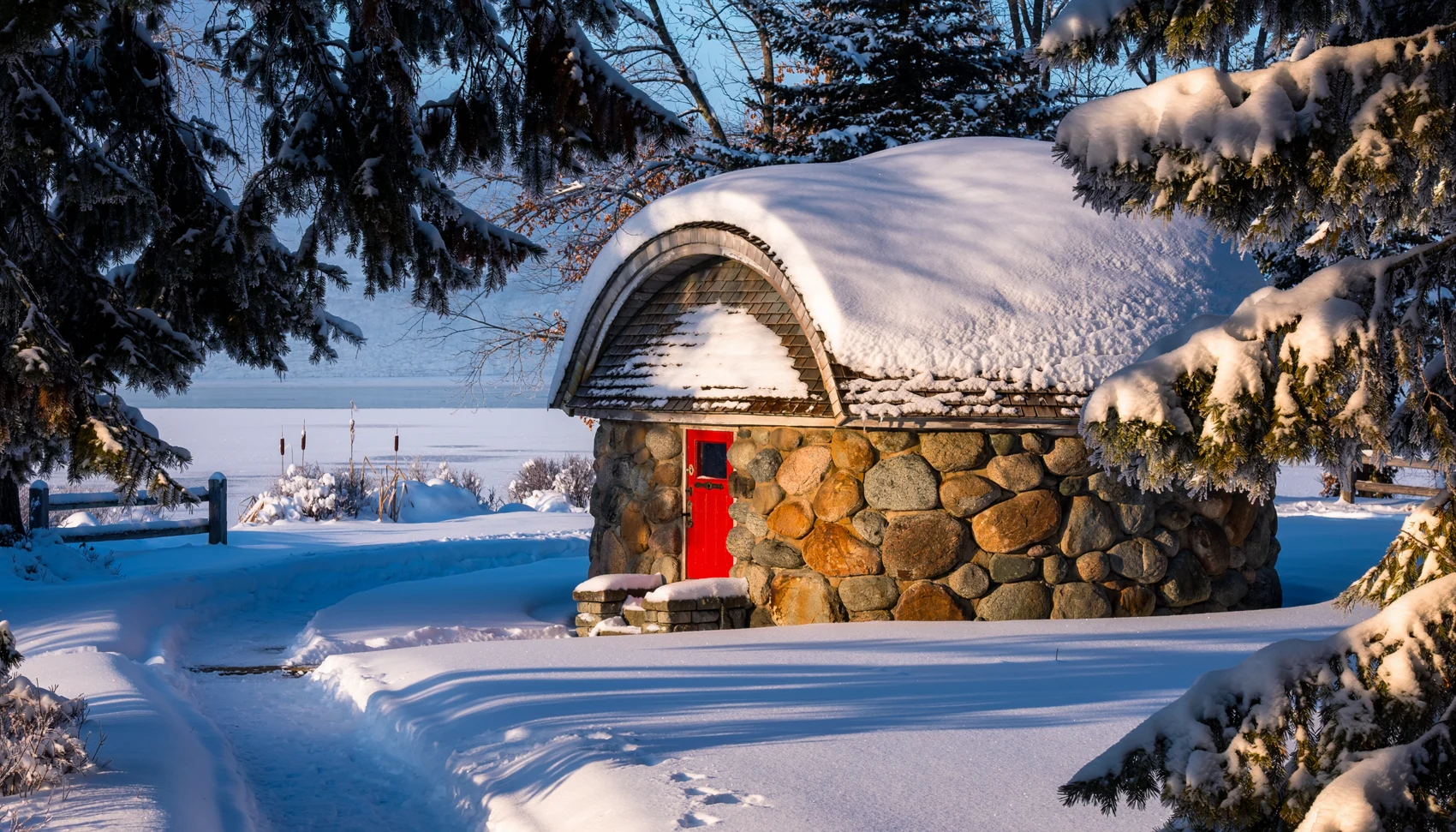
Setting artwork is illustrative; it does not depict the story’s cast or document an event.