
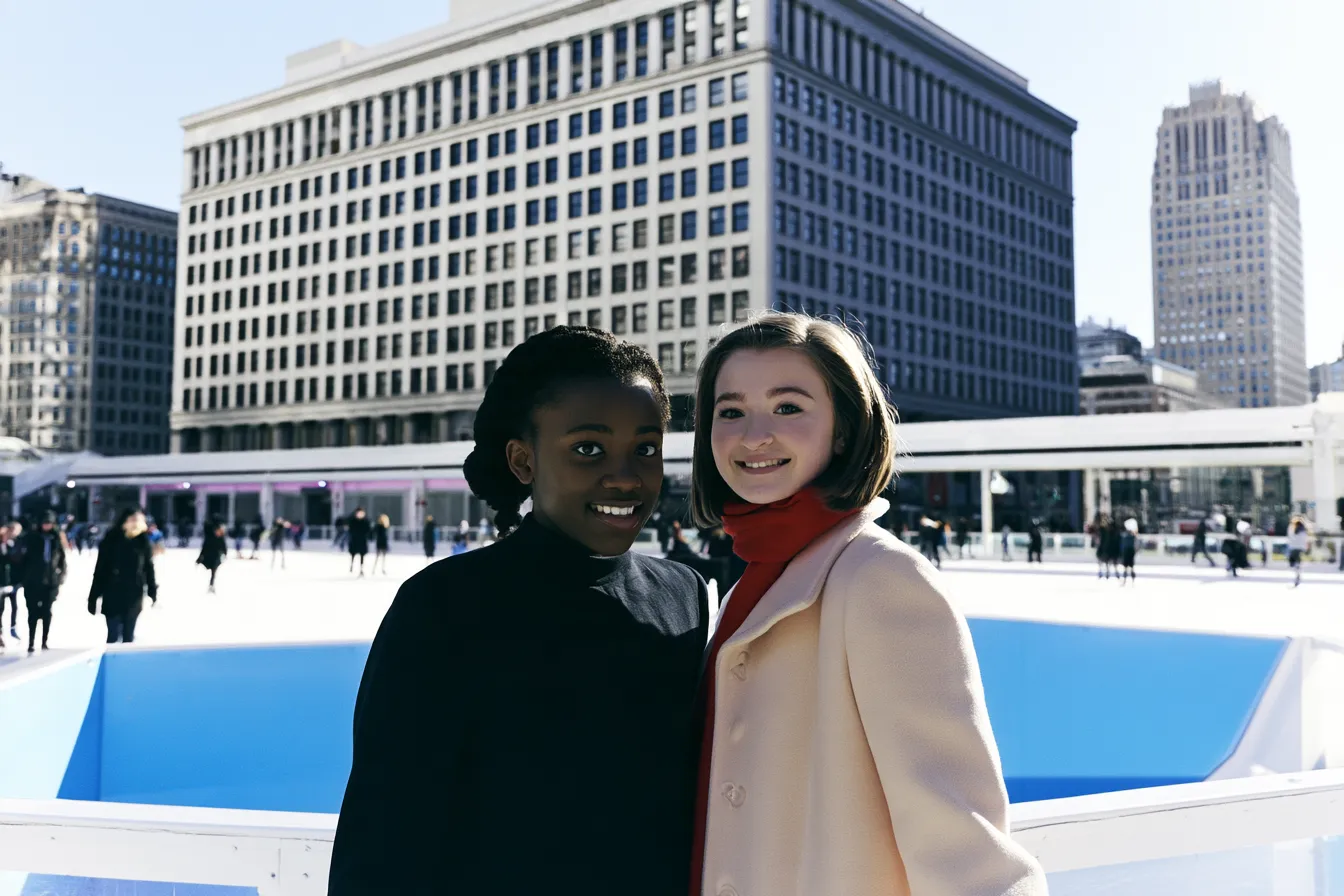
Maya tells her girlfriend Sophie that she’s an excellent skater. Technically, she skated once, when she was eleven, and held the railing for the entire afternoon.
Maya has dressed for the date as if confidence can be layered over a thermal shirt. Sophie arrives in a blue hat with a tiny red stripe, carrying spare gloves because she remembers Maya saying she’d lost hers. They’ve been carefully funny with each other for weeks, trading photographs of their disastrous houseplants and debating which Detroit bakery makes the better cinnamon roll. The skating proposal had sounded spontaneous when Maya made it. Now there are dozens of people gliding across The Rink at Campus Martius Park, and she is examining the rental skates with the expression of somebody presented with complicated machinery. Sophie kneels to tighten a lace and says, ‘You can tell me if you want to do something else.' Maya shakes her head. She wants to be the adventurous woman she has been describing over text. More than that, she doesn’t want Sophie to think the evening has to be rescued. So she stands, promptly sits back down, and calls the move a rehearsal.
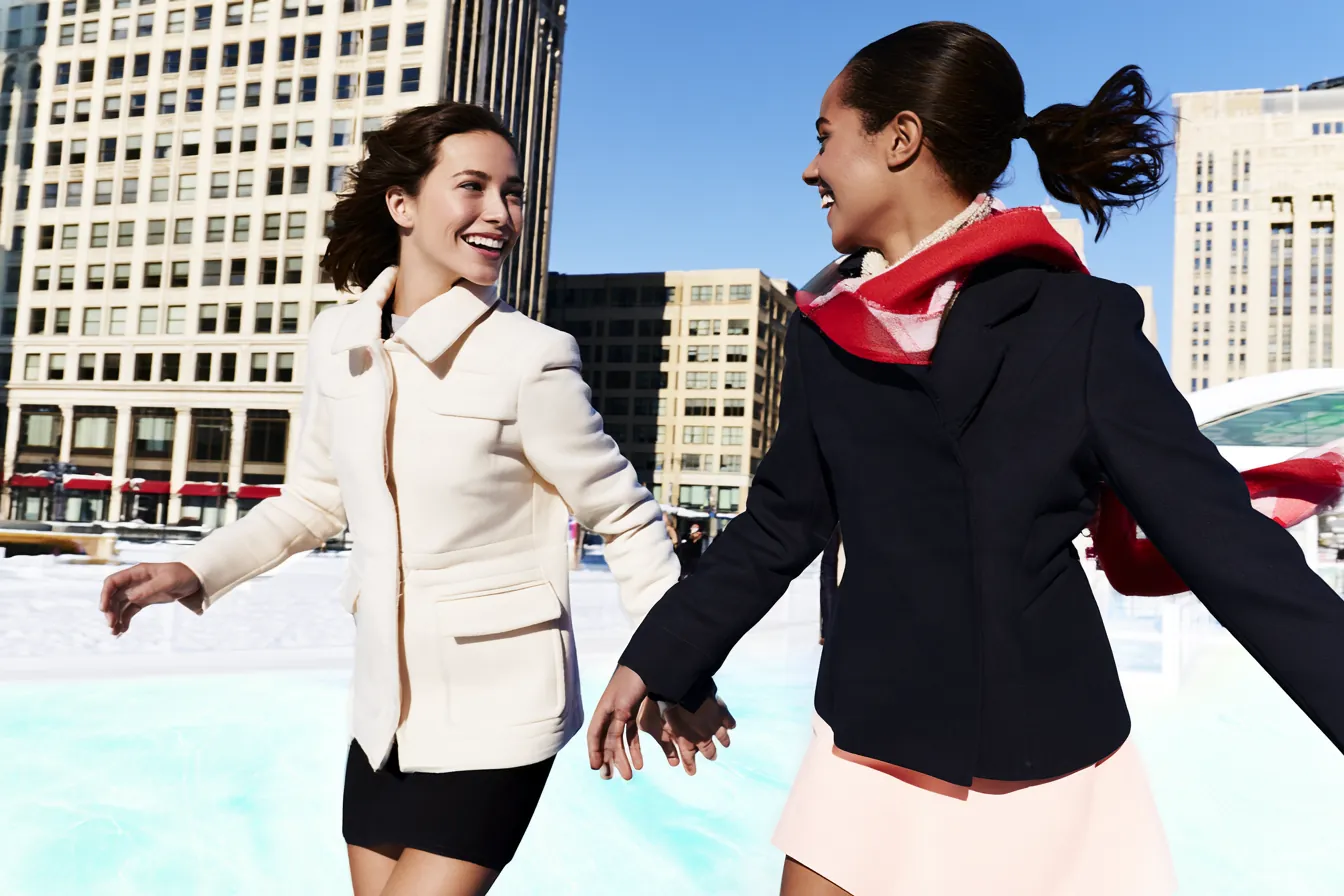
Once they reach the ice, Sophie asks what Maya actually remembers from that childhood skating trip. Maya says she remembers a blue railing, a paper cup of fries and repeatedly blaming her brother for making her fall. Sophie says she can work with that. She offers one hand, not two, and allows Maya to decide how much weight to put on it. There’s a small argument about whether a person can have a signature skating move if the move involves remaining stationary. Maya names hers ‘the frozen swan.' She is still embarrassed, but it no longer feels like a secret she’s trying to hide. Somewhere near the center of the rink, a couple is moving in perfect tandem. Maya watches them for a moment, then looks at Sophie and laughs. ‘Maybe by our fiftieth date,' she says. Sophie replies, ‘Let’s get through the third one first.'
They make slow progress along the outer edge. When Maya finally lets go of the rail, she travels six excellent feet before her skates remember they have other plans. Sophie reaches for her, and they end up clutching each other’s sleeves, laughing into the chilly air. By the time the lights come on downtown, Maya has learned to bend her knees and Sophie has learned not to offer technical coaching unless asked. A child in a red scarf overtakes them three times. Maya cheers the child on, partly in admiration and partly because she suspects she has found her real competition. Off the ice, Sophie produces the spare gloves again, and they walk to Lafayette Coney Island to split an order of fries, which Maya declares historically accurate. They talk about their families, the neighborhoods they grew up in, and which small routines make a city feel like home. For Maya, it’s coffee on the balcony, even in winter. For Sophie, it’s walking to the same corner store where the owner knows her name. Neither rushes the next part of the conversation. The date has been a spectacular failure at proving Maya is athletic and an unusually good success at proving they like being together.
Sophie asks whether Maya lied about anything else.
“I’m also a terrible cook.”
“Good,” Sophie says. “I love cooking.”
Setting artwork is illustrative; it does not depict the story’s cast or document an event.